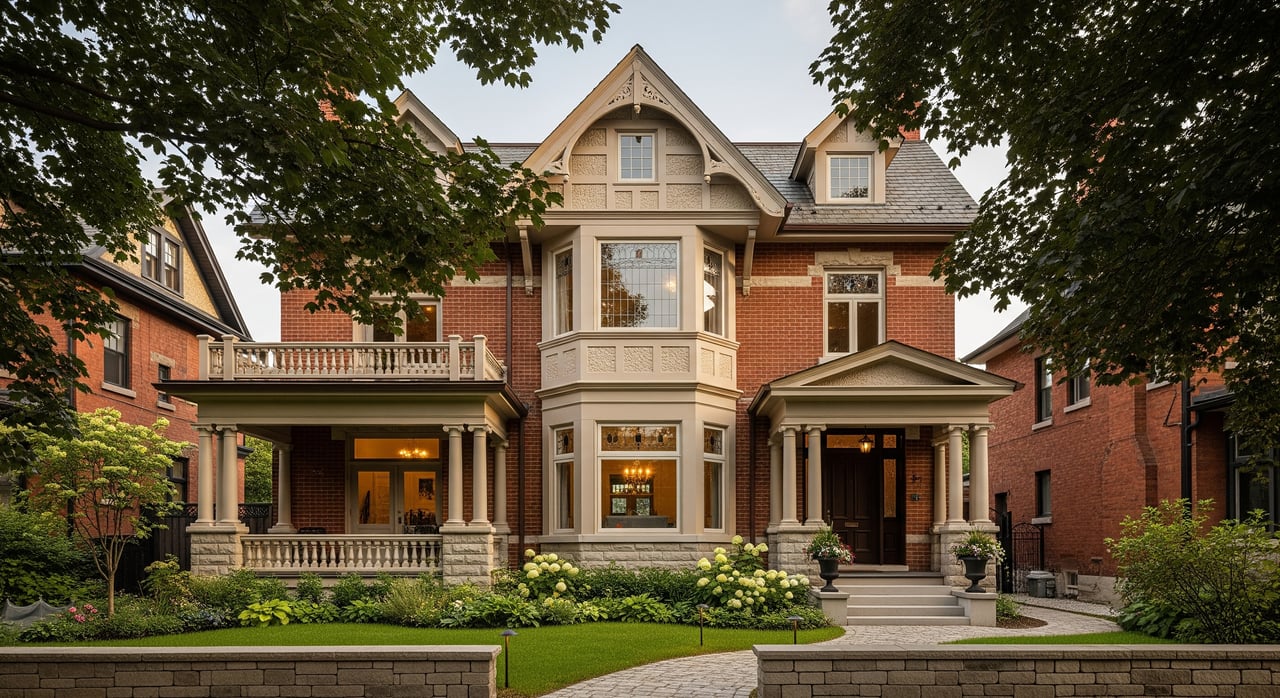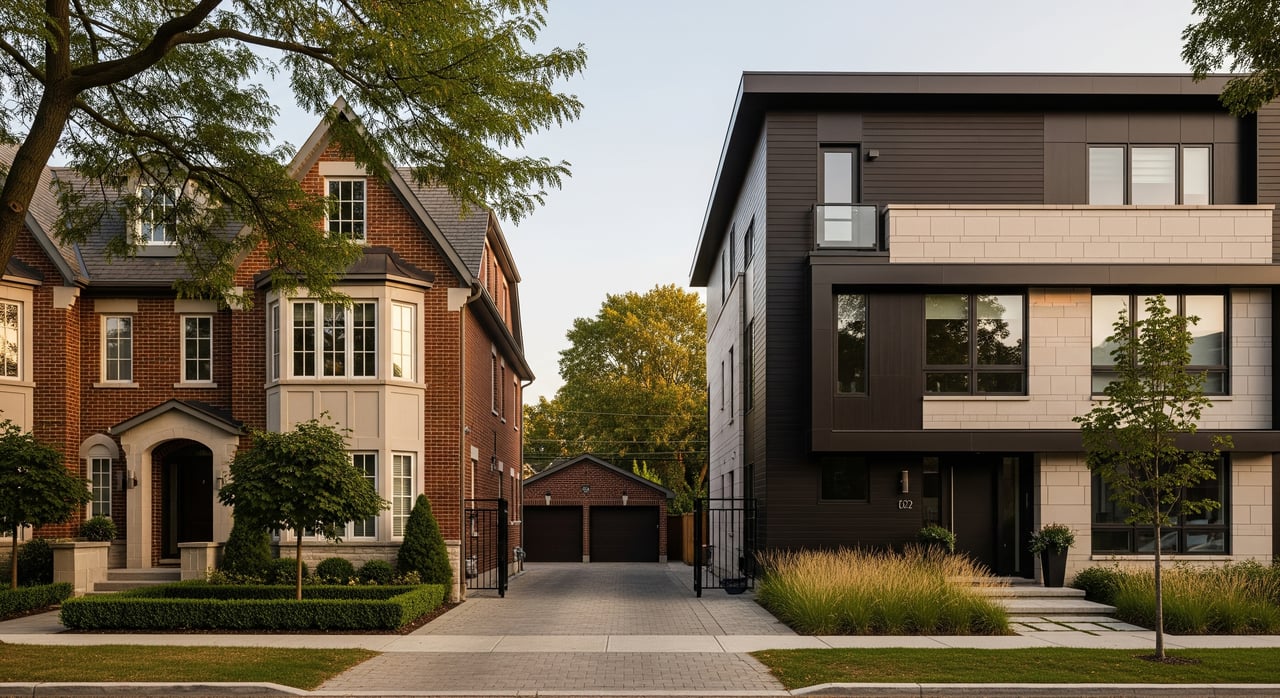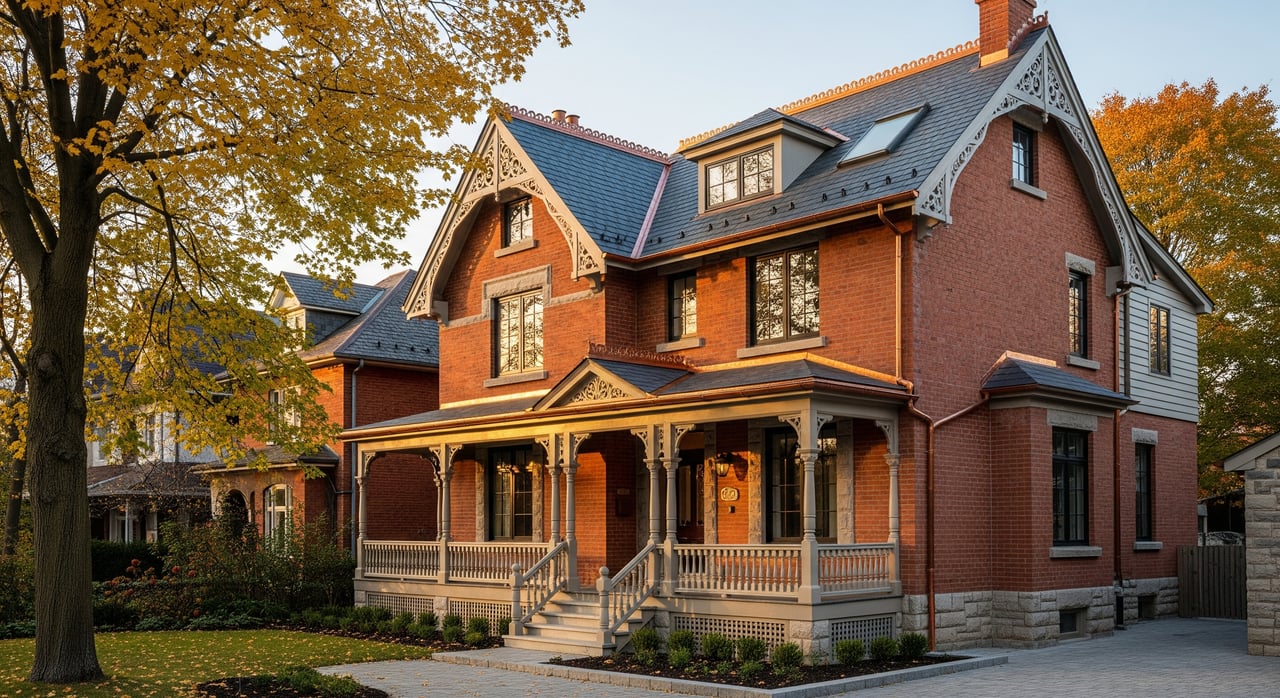
Are you starting a home search in Byron or West London and wondering how to get mortgage ready? You are not alone. Many buyers feel unsure about what lenders look for and how a pre-approval shapes their budget. In this guide, you will learn how pre-approval works in Ontario, what documents to prepare, and how to use your numbers to shop with confidence in London. Let’s dive in.
Why pre-approval matters in London
A strong pre-approval shows sellers you are serious and capable, which can help your offer stand out in competitive pockets of Byron and West London. It also gives you a clear price range before you step into a single showing. That way you can focus on homes that truly fit your budget and avoid last-minute surprises.
Local inventory and price bands shift month to month. The London and St. Thomas Association of REALTORS publishes market stats that your agent can interpret for your target neighbourhoods. Your pre-approval helps you align your search with what is available right now.
How mortgage pre-approval works in Ontario
A pre-approval is a conditional commitment from a lender that you qualify for a mortgage up to a certain amount. It is based on your income, debts, credit, and a qualifying rate. It is stronger than a pre-qualification, which is often an informal estimate.
Final approval happens after you have an accepted offer. The lender will verify your documents again and review the property details, which can include an appraisal and a legal review.
What lenders measure
Lenders use two key affordability ratios:
- Gross Debt Service (GDS). The share of your gross income that covers mortgage payments, property taxes, heating, and half of condo fees. Typical guideline is up to 35 percent for conventional mortgages. Some insured mortgages may allow up to 39 percent.
- Total Debt Service (TDS). Your GDS items plus other monthly debt payments. Typical guideline is up to 42 percent for conventional mortgages. Some insured mortgages may allow up to 44 percent.
The federal stress test
Your lender must qualify you at the higher of your contract rate plus 2 percent or the federally published benchmark rate. This reduces the maximum mortgage amount compared with using the contract rate alone, so it is common to qualify for less than you expect.
Down payment and mortgage insurance
Your minimum down payment in Canada depends on the purchase price:
- 5 percent for the first $500,000
- 10 percent for the portion from $500,000 to $999,999
- 20 percent for $1,000,000 and above
If your down payment is under 20 percent, mortgage default insurance is required. The premium is a percentage of the mortgage and can be added to your mortgage amount. For insured mortgages, the maximum amortization is typically 25 years. With 20 percent down or more, many lenders offer up to a 30-year amortization.
What to bring: your document checklist
Having your paperwork ready speeds up pre-approval and reduces last-minute stress. Here is what lenders often ask for.
If you are salaried
- Government ID
- Recent pay stubs and a letter of employment or a pay stub with year-to-date income
- Most recent T4 slip
- Recent bank statements showing down payment funds
- Proof of down payment source, including gift letter if applicable
- Authorization to pull your credit
If you are self-employed or commissioned
- Canada Revenue Agency Notice of Assessment for the last 1 to 2 years
- T1 personal tax returns and business financial statements
- Bank statements that show business deposits
If you have extras to disclose
- Mortgage statements for other properties and any lease agreements
- Proof of regular support income where applicable
- Immigration status documents for newcomers
- Void cheque or banking info for pre-authorized payments
Rate holds and timing your search
Many lenders will hold an interest rate for 60 to 120 days while you shop. Some offer a one-time float-down if rates fall, often with conditions. The exact rules vary by lender, so get them in writing.
Pre-approvals also have an expiry date. When they expire, the lender will update your credit, income, and assets at the new market rates. If rates rise and your pre-approval lapses, your maximum budget may shrink. Track your expiry date and plan your showings and offers with enough buffer to stay within the hold period.
Turn your pre-approval into a London search plan
Use your numbers to shop smarter in Byron and West London:
- Set a comfortable target price below your maximum. Leave room for closing costs and a cushion for appraisal or inspection findings.
- Convert your pre-approval into a monthly budget. Add taxes, insurance, and half of condo fees if relevant to mirror the GDS model.
- Factor in home type. Older bungalows may need maintenance, while newer two-storey homes may have higher purchase prices but lower immediate repair costs.
- For condos and townhomes, include condo fees in your affordability check. Lenders consider these in your ratios, and they affect your monthly cash flow.
Budget beyond the mortgage payment
Your monthly payment is only part of the picture. Plan for:
- Property taxes
- Home insurance
- Utilities and routine maintenance
- Condo fees if applicable
- One-time closing costs like legal fees, title insurance, home inspection, and the Ontario land transfer tax
- Mortgage default insurance premium if your down payment is under 20 percent, which can be added to your mortgage
First-time buyers may be eligible for provincial land transfer tax refunds and federal programs such as the Home Buyers’ Plan and the First-Time Home Buyer Tax Credit. Check current rules with the Government of Ontario and the Government of Canada.
A simple 5-step path to pre-approval
- Gather your documents. Start with ID, pay stubs, T4s, bank statements, and proof of down payment. Self-employed buyers add NOAs and business statements.
- Decide on your lending path. Work directly with a bank or with a mortgage broker who can shop multiple lenders.
- Request a written pre-approval. Note the amount, the rate hold period, the expiry date, and any float-down option.
- Translate the numbers into a search budget. Include taxes, insurance, and condo fees where applicable. Confirm your monthly comfort level.
- Share your pre-approval with your agent. Use it to target the right Byron and West London homes and to plan financing conditions in offers if needed.
Common mistakes to avoid
- Waiting to gather documents until you find a home. This can delay your offer and weaken your position.
- Shopping at your absolute maximum. Build a cushion for closing costs and future rate changes.
- Making big purchases during home hunting. New debt can affect your ratios and void your pre-approval.
- Letting your rate hold expire mid-offer. If your expiry date is near, update your lender before you firm your conditions.
Ready to get mortgage ready?
If you want a clear, local plan for Byron and West London, you are in the right place. With an appraisal background and neighbourhood expertise, we can help you align your pre-approval with the right homes and a realistic monthly budget. Reach out to start a confident search with Scott Gunn.
FAQs
How does mortgage pre-approval differ from pre-qualification in Ontario?
- A pre-approval is a conditional commitment based on verified documents and a qualifying rate, while a pre-qualification is an informal estimate using self-reported information.
What are GDS and TDS, and why do they matter?
- GDS and TDS are lender affordability ratios; typical guidelines are up to 35 percent GDS and 42 percent TDS for conventional mortgages, with insured options allowing slightly higher limits.
What is the federal mortgage stress test in Canada?
- Lenders must qualify you at the higher of your contract rate plus 2 percent or a federal benchmark rate, which reduces the maximum mortgage you can obtain.
How long is a rate hold valid for London buyers?
- Many lenders offer rate holds between 60 and 120 days, but terms vary, so confirm the exact length and any float-down option in writing.
What down payment do I need for a home near Byron or West London?
- Minimums are 5 percent up to $500,000, 10 percent for the portion from $500,000 to $999,999, and 20 percent at $1,000,000 and above, with insurance required under 20 percent.
What documents should I prepare before applying?
- Prepare ID, recent pay stubs, T4s, bank statements, proof of down payment, and for self-employed buyers, NOAs and business financials.
Will a mortgage pre-approval hurt my credit score?
- Lenders typically do a hard inquiry; coordinating inquiries within a short window for mortgage shopping is usually treated as one inquiry for scoring purposes.